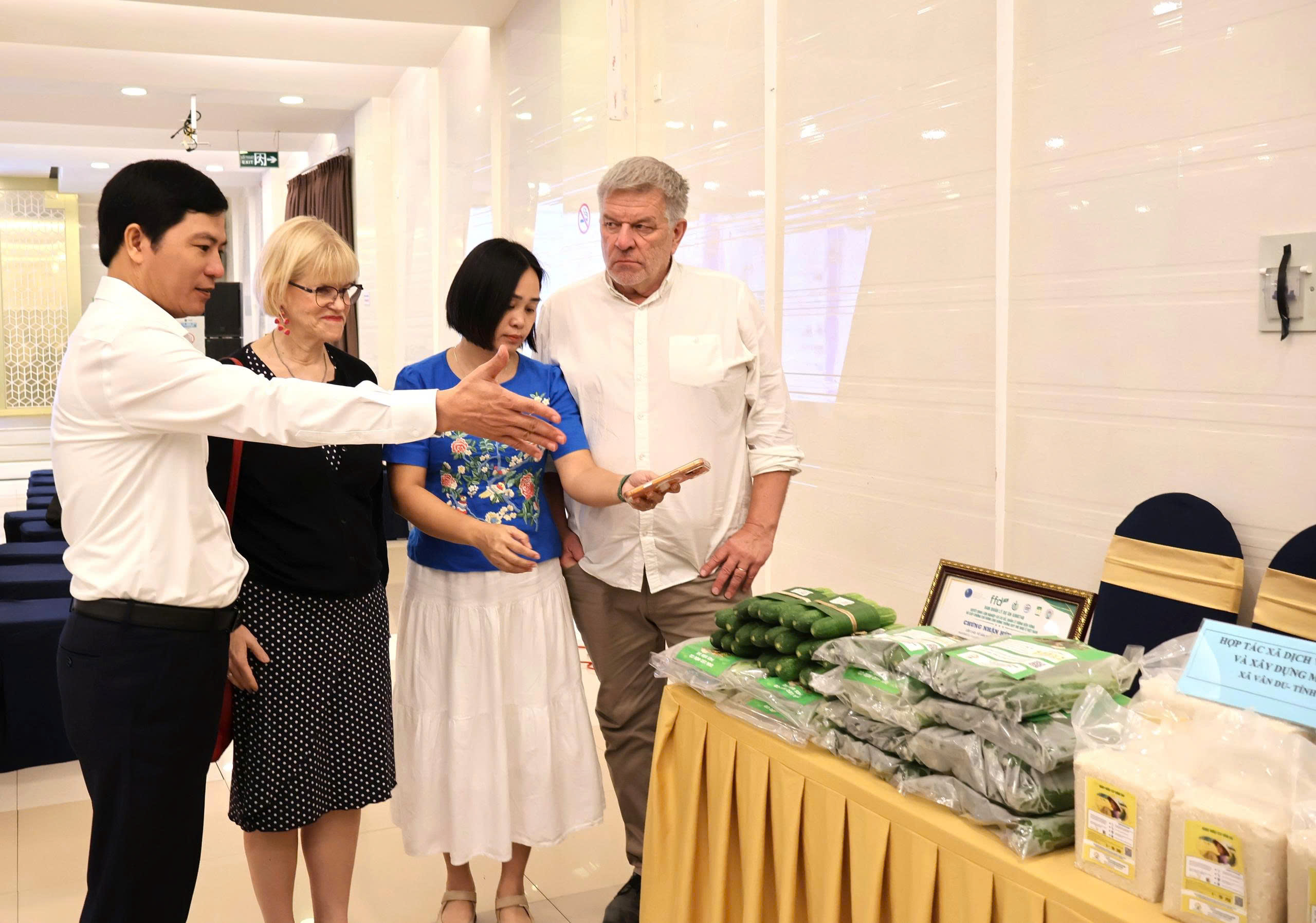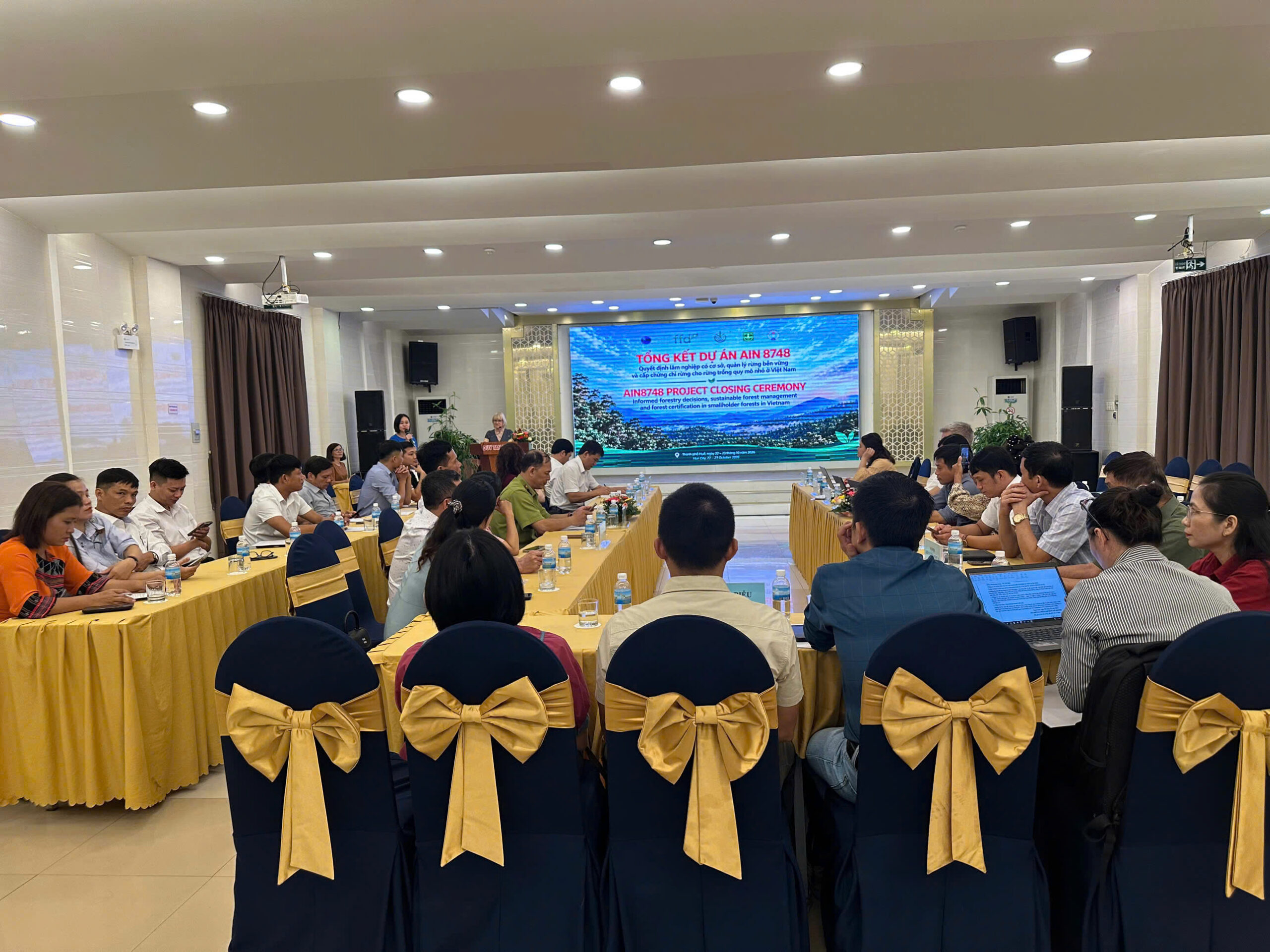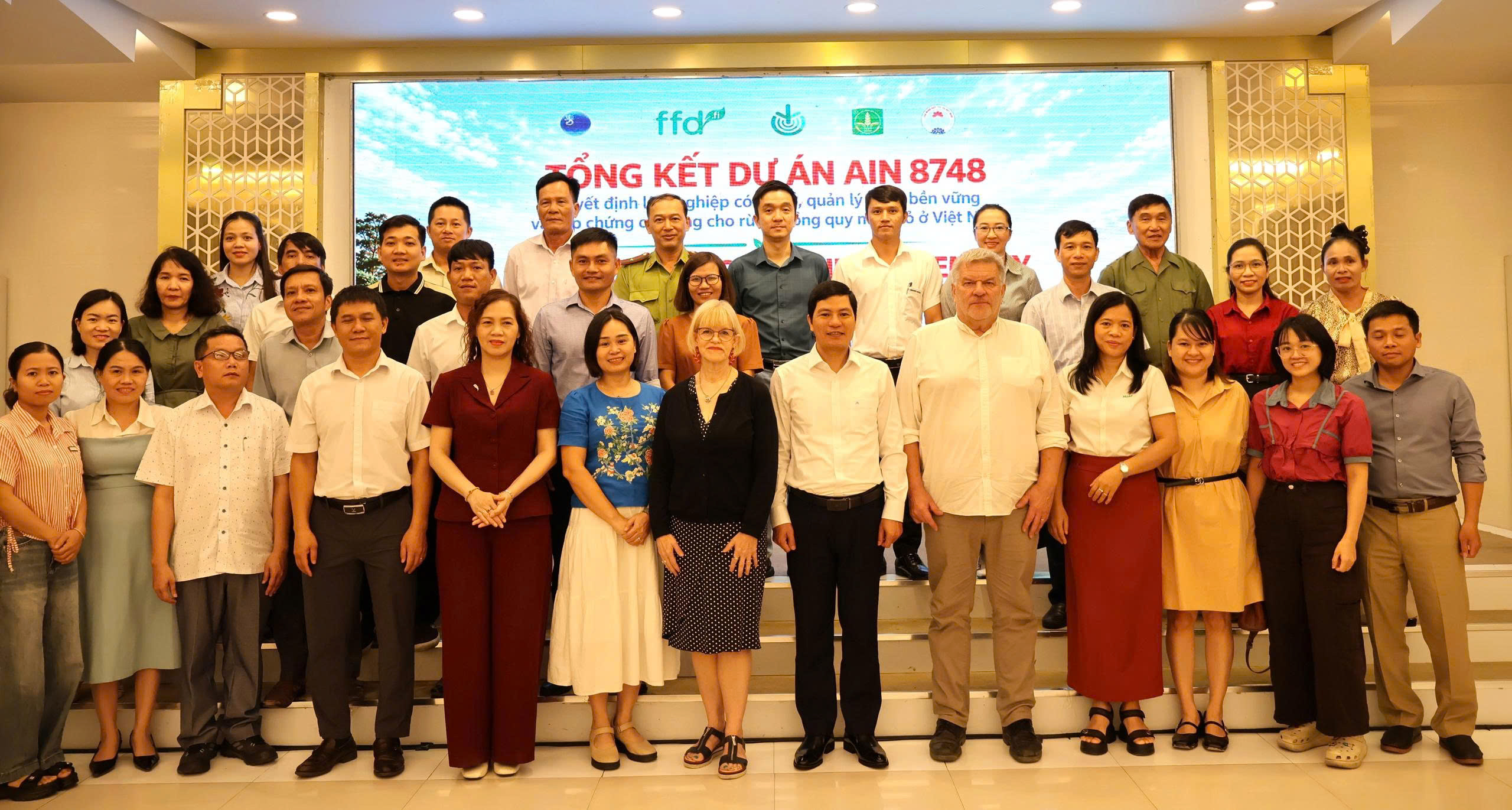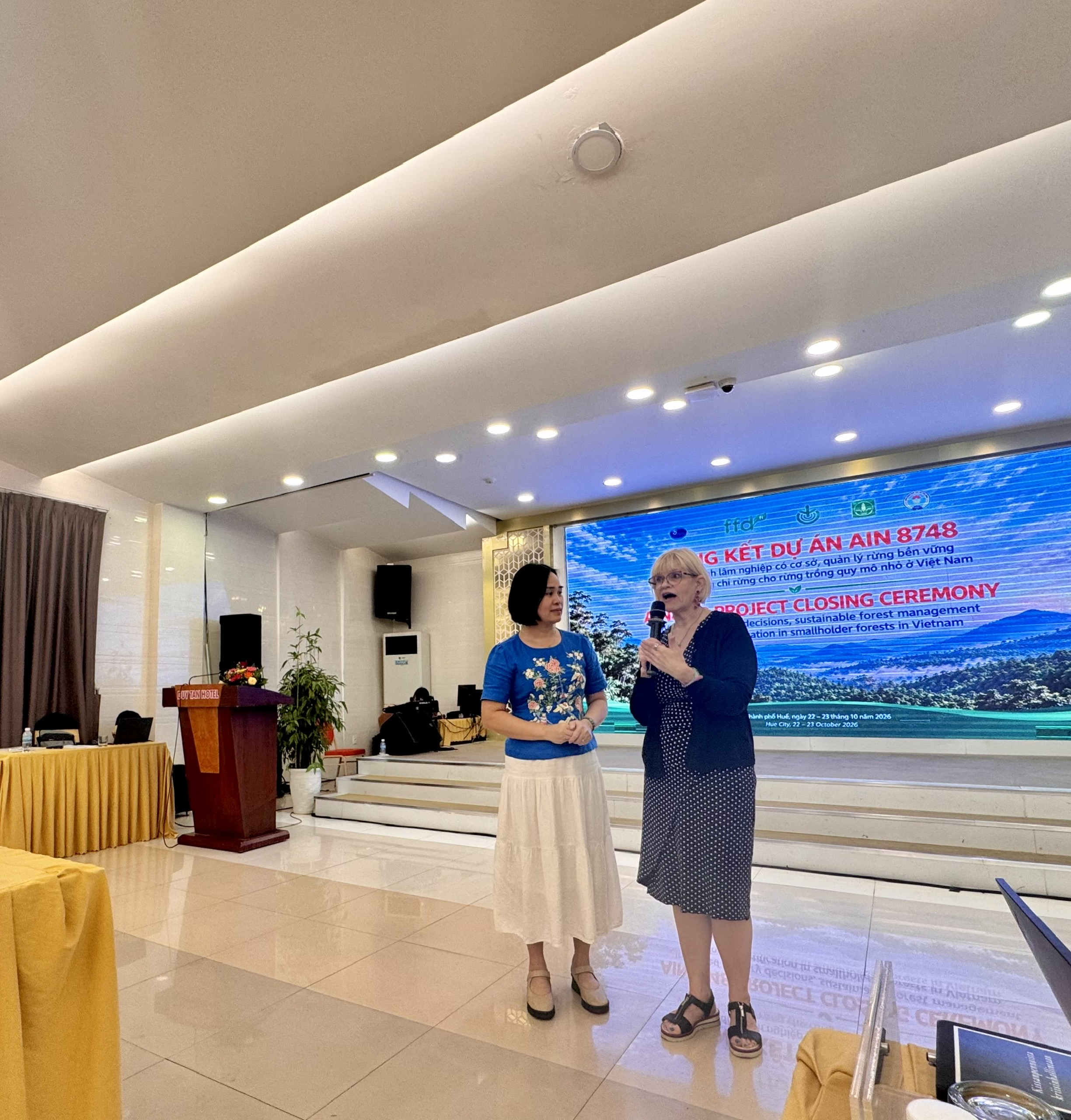
On 22–23 October 2026, the AIN8748 Project, entitled “Informed Forestry Decisions, Sustainable Forest Management and Forest Certification in Smallholder Forests in Vietnam”, held its final workshop in Hue City, marking the conclusion of four years of implementation. The event provided an opportunity to review the project’s key achievements during the 2023–2026 period, share practical experiences and lessons learned, and discuss strategies for sustaining and scaling up successful models beyond the project period.
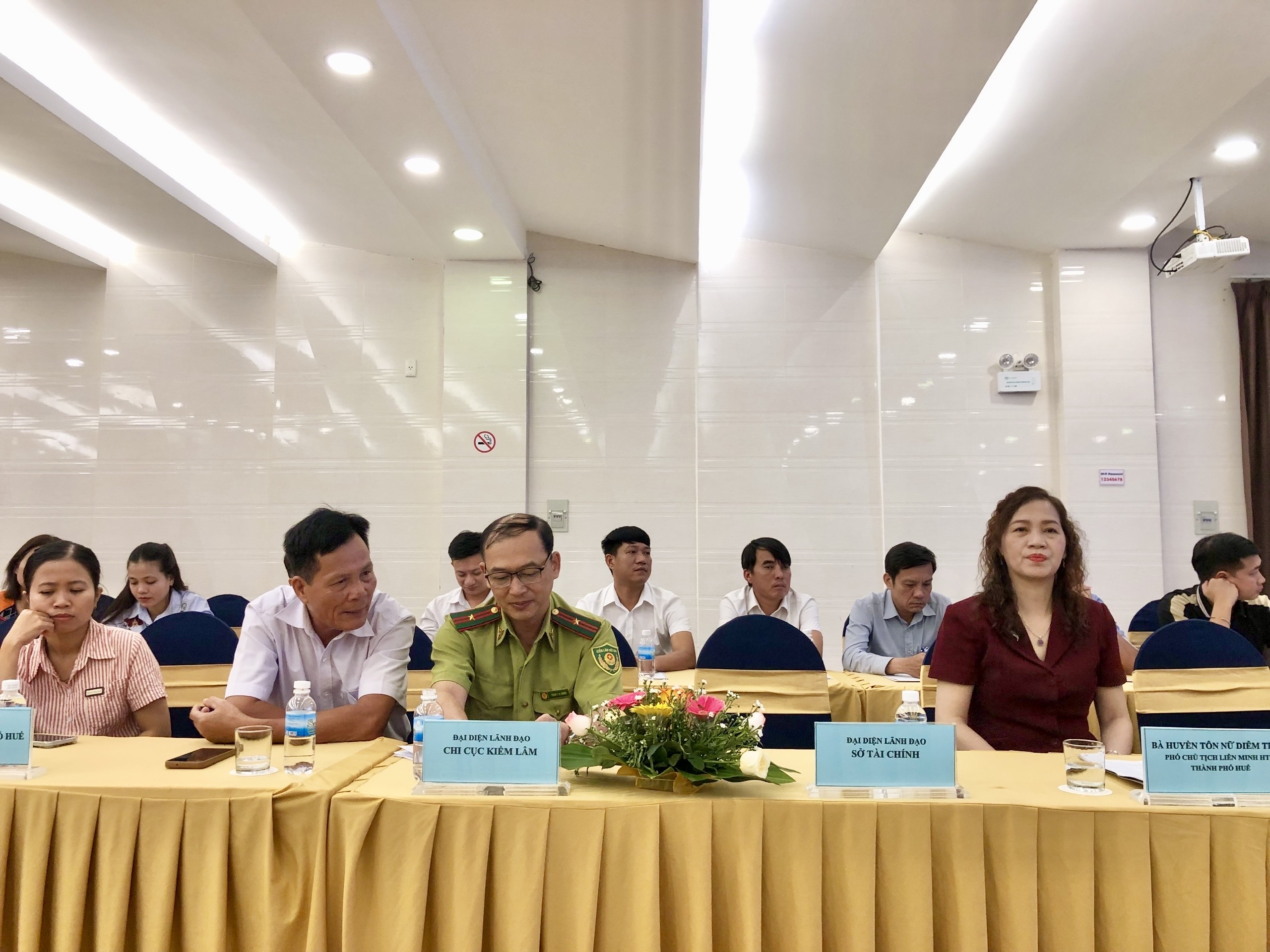
The workshop was attended by Ms. Tiina Huvio, Executive Director of the Finnish Agri-Agency for Food and Forest Development (FFD); and Mr. Rauno Karppinen, a Finnish project partner. Participants also included representatives of the leadership of the University of Agriculture and Forestry, Hue University (HUAF), the Forestry Sub-Department, relevant local authorities, the Hue City Cooperative Alliance, participating cooperatives from Hue City and Nghe An Province, as well as project staff and experts involved in project implementation.
The AIN8748 Project was implemented with financial support from the Ministry for Foreign Affairs of Finland through FFD, in collaboration with Finnish and Vietnamese partners. HUAF served as the national coordinating institution, working closely with cooperative alliances and relevant stakeholders to strengthen technical capacities, promote sustainable forest management, support forest certification and improve livelihood opportunities for smallholder forest growers.
Key Achievements of the Project
At the workshop, Assoc. Prof. Dr. Tran Thi Phuong, National Project Coordinator, presented an overview of the project’s achievements, lessons learned and priorities for the post-project period.
One of the project’s notable achievements was the enhancement of technical and organisational capacities among cooperatives and smallholder forest growers through 26 training courses. These activities covered sustainable forest management, occupational safety, forest planting, tending and harvesting techniques, forest inventory, GIS applications and forest mapping. The project also provided planting materials, equipment and infrastructure support, strengthening cooperatives’ capacity to deliver technical and production services to their members.
Significant progress was made in sustainable forest management planning and certification. The project supported seven cooperatives in developing forest maps and sustainable forest management plans, while facilitating forest certification in accordance with Forest Stewardship Council (FSC) standards.
By 2026, a total of 1,004.40 hectares of forest plantations had obtained FSC certification under the project, comprising 533 hectares managed by the Hue certification group and 471.40 hectares under the Quynh Tam Cooperative certification group in Nghe An Province. These achievements have strengthened forest growers’ awareness and capacity to adopt sustainable forestry practices, while creating opportunities to access markets requiring certified and responsibly sourced timber.
In parallel, the project facilitated market linkages between cooperatives and timber-processing and purchasing enterprises. Through business networking, negotiations and cooperation agreements, participating cooperatives have gradually strengthened their roles in organising certified timber supply chains and representing the interests of smallholder forest growers.
Beyond forest certification, the project promoted diversified livelihood models linked to forest conservation and climate change adaptation. Notable initiatives included organic agricultural production associated with maintaining long-rotation forest plantations at Minh Thanh Cooperative in Nghe An Province; medicinal plant cultivation under forest canopies and fruit tree development at A Roang Cooperative in Hue; livestock raising under plantation canopies at Thuy Phuong Cooperative; and bamboo planting in erosion-prone areas of Nghe An Province.
The project also placed particular emphasis on inclusive development by promoting the participation of women, ethnic minority communities and vulnerable groups in forestry-related livelihoods.
Through targeted support at Tinh Thuong Phong Dien Cooperative, 17 persons with disabilities experienced improved employment opportunities, contributing to greater social inclusion and more equitable participation in forest-based value chains.
Sharing Practical Experiences and Exploring Sustainable Development Pathways
A key component of the workshop was the sharing of practical experiences by representatives of participating cooperatives.
The presentations focused on four major themes: organic agriculture linked to forest protection and long-rotation timber plantations; the role of cooperatives in organising, maintaining and expanding smallholder forest certification groups; livelihood diversification for smallholder forest growers; and the development of sustainable, climate-resilient livelihoods involving ethnic minority women and vulnerable households.
These presentations highlighted the increasingly important role of cooperatives in connecting smallholder producers, delivering technical services, facilitating market access and maintaining project-supported initiatives.
In addition to the presentations, participants engaged in thematic group discussions addressing changes in forest growers’ practices and decision-making processes; achievements and remaining challenges in sustainable forest management and FSC certification; and the sustainability and potential scaling-up of livelihood models.
The discussions emphasised that forest certification alone does not automatically translate into sustainable economic benefits. Long-term success requires cooperatives to strengthen their organisational and business management capacities, establish viable financial mechanisms, develop reliable market partnerships and ensure tangible benefits for their members.
Participants also highlighted the importance of moving towards cooperative-led management, with greater financial autonomy, accountability and capacity to maintain services and certification requirements beyond external project support.
Field Visits and Experience Sharing among Cooperatives
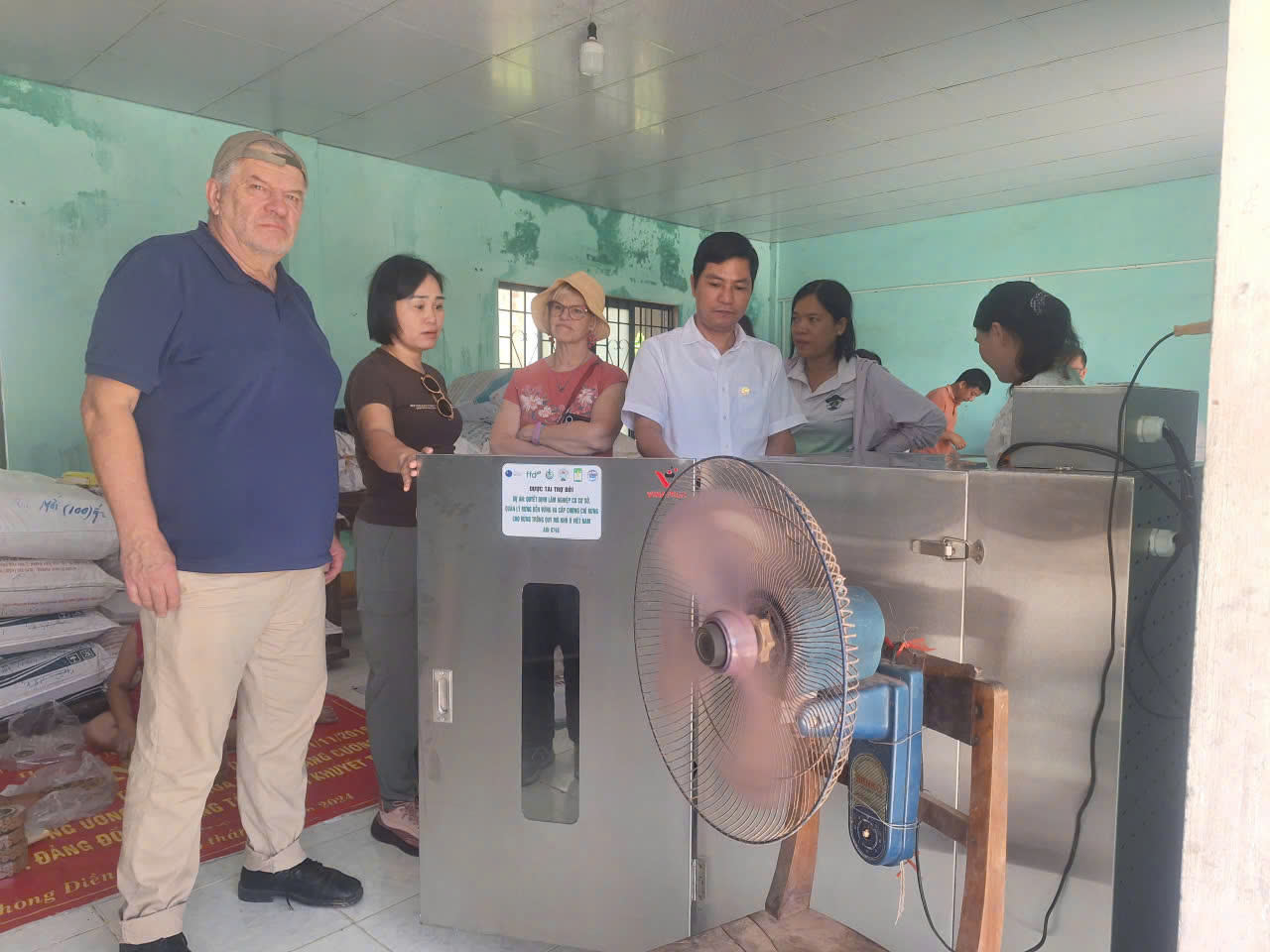
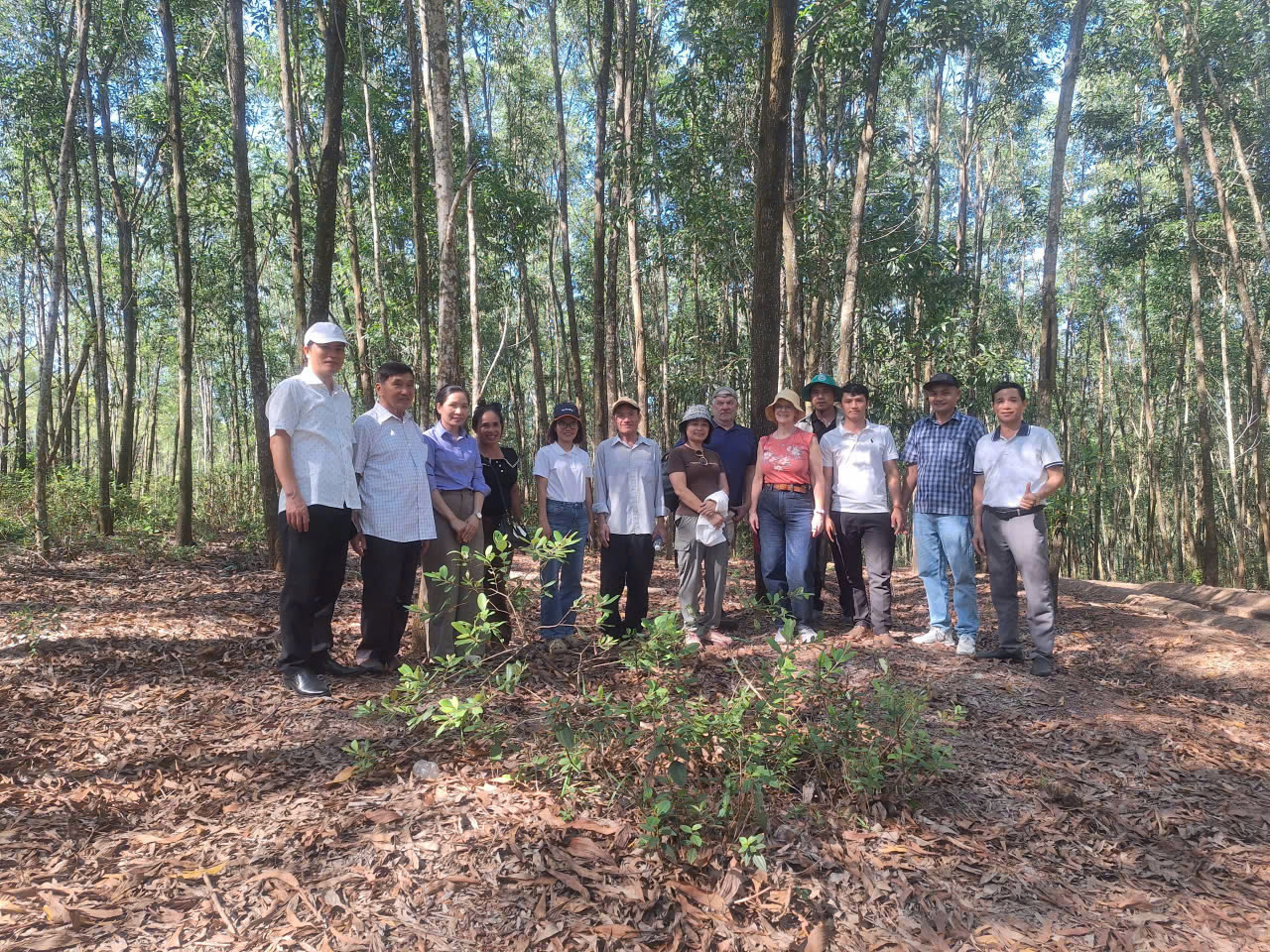
On 23 October 2026, workshop participants joined field visits to Tinh Thuong Phong Dien Cooperative, Hoa My Cooperative and Thuy Phuong Agricultural Cooperative in Hue City.
The visits provided opportunities to observe production activities, livelihood development models and cooperative service delivery in practice. Participants exchanged experiences in production organisation, cooperative management and approaches to sustaining project-supported activities.
The field programme also strengthened connections and peer learning among cooperatives from Hue City and Nghe An Province, encouraging continued collaboration and knowledge sharing in sustainable forestry and rural livelihood development.
Sustaining Project Achievements and Strengthening Future Cooperation
Over its implementation period, the AIN8748 Project has made meaningful contributions to strengthening farmers’ organisations, advancing sustainable forest management, expanding FSC-certified forest areas and developing locally appropriate livelihood models.
These achievements demonstrate the value of cooperation between Finnish and Vietnamese partners and highlight the essential role of cooperatives in enabling smallholder forest growers to access technical knowledge, resources, certification systems and market opportunities.
Looking ahead, key priorities include maintaining forest certification through financially viable mechanisms, strengthening cooperatives’ business capacities, developing certified timber value chains, and continuing to monitor and improve the performance of livelihood models.
Particular emphasis will be placed on the transition from project-supported activities towards cooperative-led management and self-reliance, ensuring that the benefits generated by the project can be sustained over the long term.
The successful conclusion of the AIN8748 Project marks an important milestone in forestry development cooperation between Vietnam and Finland. Building on the achievements and lessons learned, the project has laid a valuable foundation for continued efforts to promote sustainable forest management, climate resilience, inclusive livelihood development and stronger smallholder forestry organisations in Vietnam.